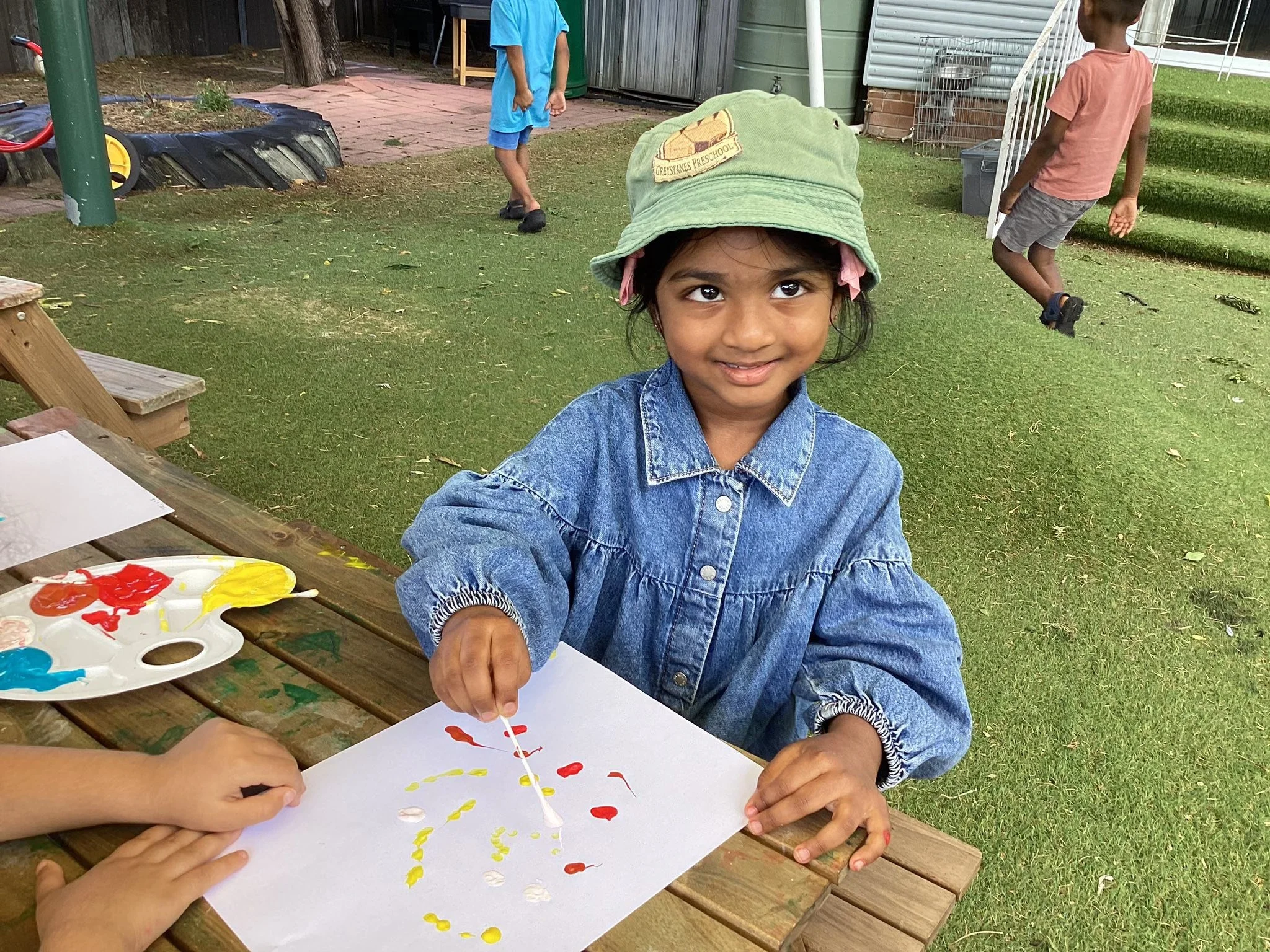
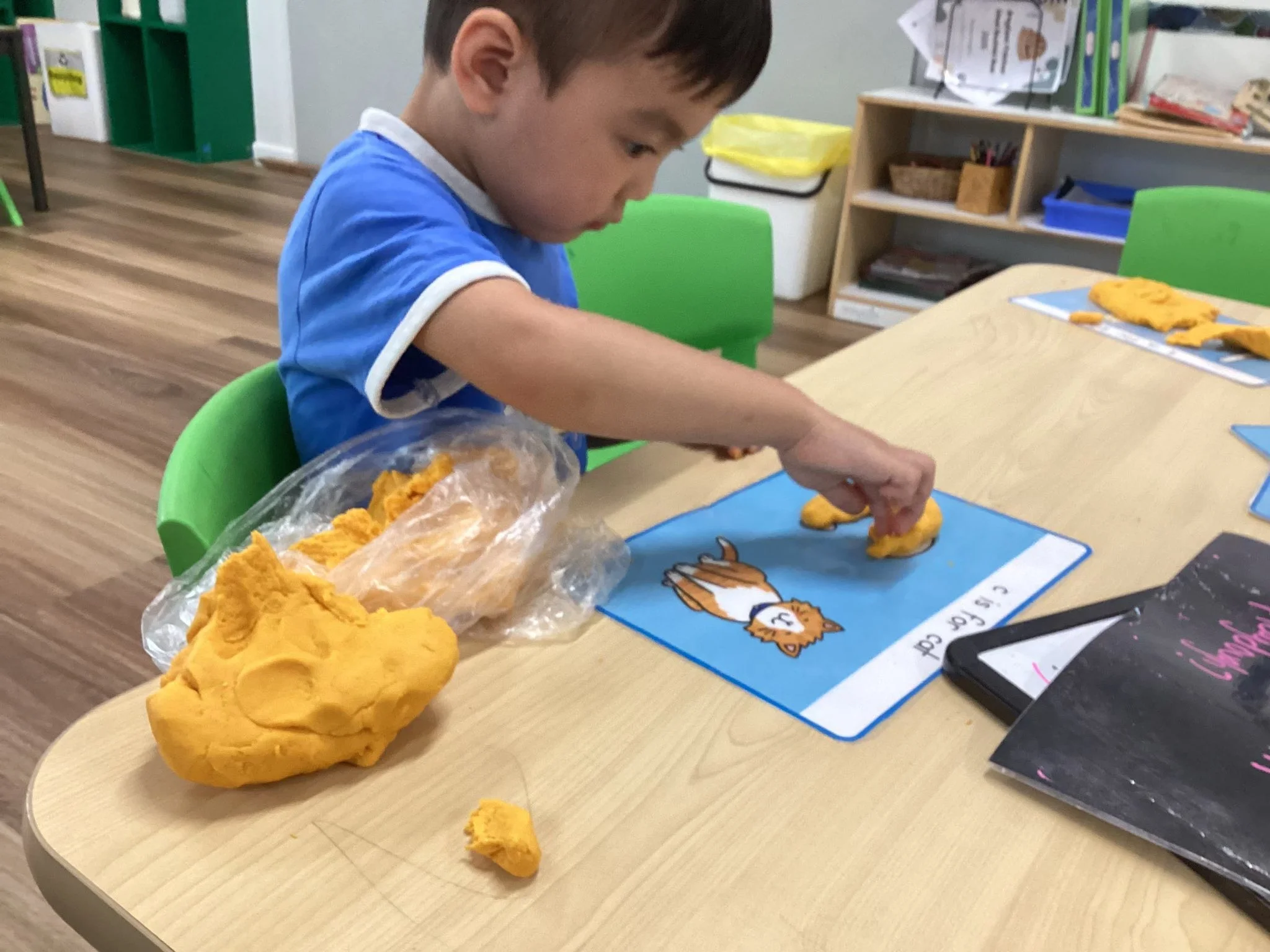
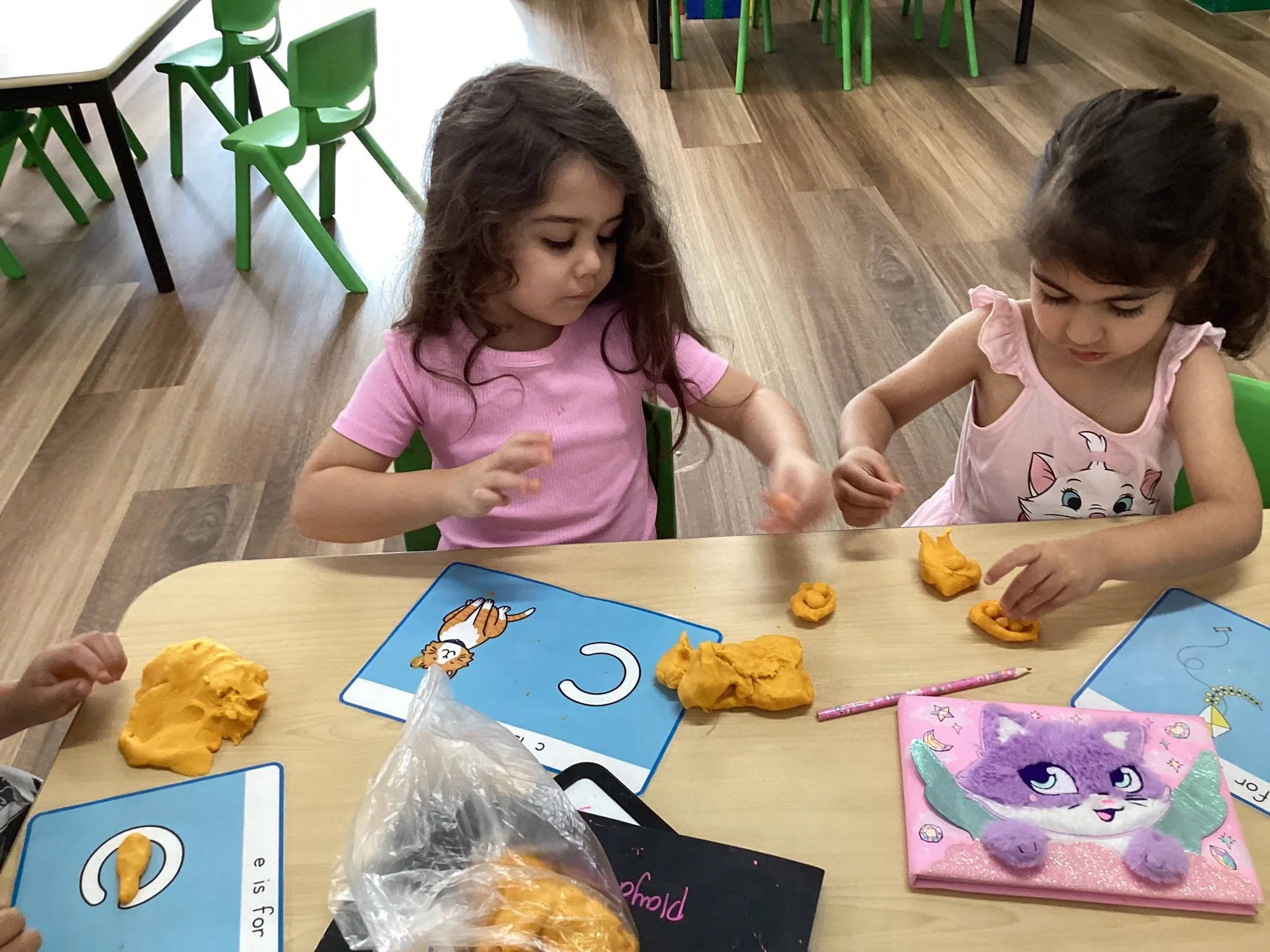
Reading is one of the most complex things a human brain learns to do, and it starts much earlier than most people realise. By the time a child sits down in a Year 1 classroom and opens a reading book, the groundwork for either a smooth or a difficult experience has already been laid, in the preschool years, through thousands of small encounters with sounds, letters and language. This week at Greystanes Preschool, the letter R was the focus, and the work happening around it was more significant than it might appear on the surface.
Phonological Awareness: The Skill Behind the Skill
Before a child can read a word, they need to be able to hear its parts. Phonological awareness is the ability to identify and manipulate the sounds within words, and it is consistently identified in reading research as the single strongest predictor of early literacy success. Children who enter school with strong phonological awareness learn to read more quickly, with less struggle, and with greater confidence than children who haven't had that foundation built.
At Greystanes Preschool, letter learning isn't about drilling children to recite the alphabet. It's about building genuine phonological awareness through experience: hearing the letter R at the start of words, practising its sound, playing with language in ways that make the structure of words tangible and fun.
What Letter-Themed Learning Actually Looks Like
Focusing on a letter across an entire week, rather than mentioning it once and moving on, is an intentional pedagogical choice. When children encounter a concept through multiple different experiences over several days, the learning goes deeper and lasts longer. This week, the letter R showed up in sound practice, in word recognition activities, and in themed experiences woven through the day. By the end of the week, children weren't just recognising R on a page; they were hearing it, saying it, and finding it in the world around them.
This is how you build a reader: not through a single lesson, but through repeated, varied, enjoyable encounters with the building blocks of language.
Numbers Alongside Letters: A Balanced Literacy and Numeracy Focus
While the letter R anchored the literacy learning this week, numeracy ran in parallel. Children explored numbers six through twelve through counting activities and number recognition experiences designed to build both accuracy and confidence. Early childhood education research is clear that literacy and numeracy development reinforce each other: the pattern recognition skills that help children identify letters also help them distinguish between numerals, and the sequencing logic that supports counting lays groundwork for reading comprehension.
At Greystanes Preschool, literacy and numeracy are developed together, woven through a programme that keeps children engaged and builds genuine understanding rather than surface performance.
Preparing Your Child for School
If you're thinking about preschool options in the Greystanes area and wondering how to give your child the best possible start, early literacy and numeracy programmes like the one at Greystanes Preschool are exactly the right place to start. The skills built in the preschool years don't just help children learn to read and count; they determine how they feel about learning itself.
Families in NSW may also be eligible for Start Strong Funding, which can significantly reduce the cost of preschool. Speak to our team to find out what your family qualifies for.
Book a tour at Greystanes Preschool today.